

Finding a real venue with working machines takes a bit of know-how, especially when you’re comparing what’s on the floor to what you can actually play from home. If you’ve typed pub pokies near me into your phone while standing outside a busy club, you’ve probably noticed the results are all over the shop. I’ve spent years running acquisition campaigns across regulated markets, and the same conversion discipline applies here: clear expectations, honest local context, and a interface that doesn’t waste your time. Below, I’m keeping the focus on what actually matters when you’re weighing a local pub setup against a properly localised online option, with a Cairns-side example thrown in because regional conditions change the way people play.
What “Near Me” Actually Means on the Ground
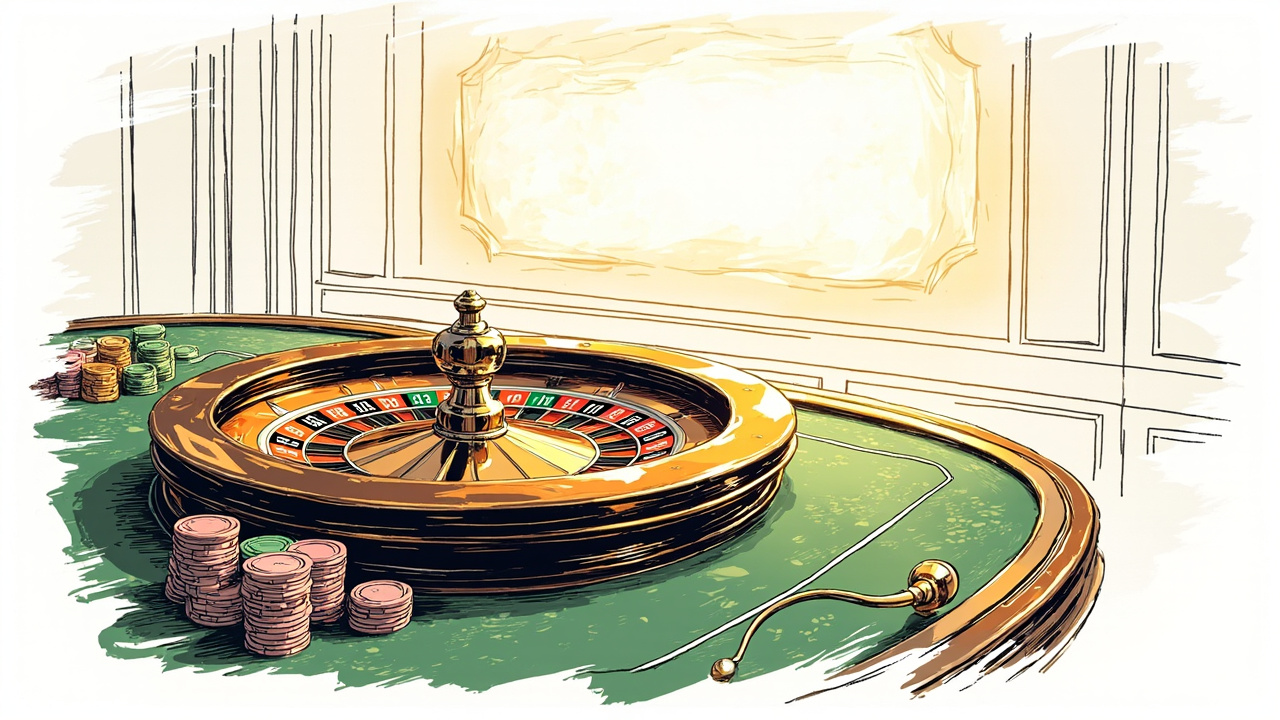
The phrase pub pokies near me sounds simple, but it usually pulls up two different things at once: a list of venues with machines on the floor, and a handful of online results that have latched onto the same search habit. In Australia, the pub side runs on state-based rules that decide where machines can sit, how they’re zoned, and what signage has to show. That means a venue that looks busy from the footpath might only have a small bank of machines tucked behind the bars, while another spot a few blocks away runs a tighter, better-maintained floor with clearer payout info and staff who actually know the local setup.
When I’m judging campaign performance for a new market, I always start by checking whether the landing experience matches the promise. The same logic applies here. If a search result sends you to a venue page that hasn’t been updated in months, you’re already working with stale information. A better signal is a result that tells you what kind of machines are in the room, whether the venue runs a loyalty card, and what hours the gaming area actually opens. Those details matter more than a generic “closest” tag, because they tell you whether you’re walking into a proper gaming space or just a corner with a couple of older machines.
For people in regional centres, the local reality can shift quickly. Around Cairns, for example, the mix of holiday traffic, wet-season crowding, and smaller venue footprints means the floor you find on a Tuesday afternoon isn’t always the same one you’d see on a busy Saturday arvo. That’s why a practical search habit beats a blind “near me” click: check the venue’s current layout, note whether the machines are in a dedicated area or mixed into the bar, and don’t assume the first result on the map is the one with the most playable bank.
Reading the Floor Before You Sit Down
Check the machine bank and signage first
Before you drop a coin or tap a ticket-in ticket-out slot, look at how the bank is arranged. A well-run pub setup usually groups machines by denomination and keeps the payout info visible, rather than burying it behind a menu you have to scroll through while standing at the bar. If the signs are faded, the denominations are mixed up, or the area feels more like a leftover corner than a proper gaming zone, that’s a useful signal about how much attention the venue gives the floor.
Watch the crowd and the pace of play
The way people use the machines tells you a lot about the room. A floor that’s busy but not chaotic usually means the machines are in decent nick and the staff keep an eye on the area. If you see a cluster of machines sitting cold while everyone’s crowded around one or two spots, that’s often a sign the venue leans on a small popular bank rather than maintaining the whole room. It’s not a win indicator, just a practical read on how the space is actually used.
Note the local conditions that change the experience
Regional venues don’t run the same way all year. In places like Cairns, the shift between quiet weekdays and holiday surges can change how often machines are serviced, how busy the bar gets, and whether the gaming area stays open at the same hours. Wet-season travel, event crowds, and shorter operating windows all affect what “near me” actually delivers on the day you turn up. Treat the search as a starting point, then check the venue’s current rhythm before you commit to a spot.
When a Local Search Meets a Localised Online Setup
Sometimes the pub search is really a timing question, not a venue question. If you’re after a session after work, during a wet arvo, or when the nearest floor is closed or packed out, a properly localised online option can fill the gap without pretending to be something it isn’t. The useful comparison isn’t about replacing the pub experience; it’s about whether the digital side actually matches the local expectations people already have.
A decent localised setup should feel like it was built for the same audience that’s walking into a Brisbane or Cairns venue, not just translated from another market. That means Australian English copy that doesn’t read like a template, currency shown in dollars without awkward conversion steps, and navigation that keeps the common actions where people expect them. If the visual identity is clean and the structure is obvious, you’re not wasting clicks trying to work out where the game selection lives or how to check your balance.
Payment and registration flow matter just as much. A practical interface keeps sign-up short, asks for the right details up front, and makes the payment options easy to scan without hiding the important limits in a sub menu. That’s the same kind of conversion discipline I use when testing acquisition funnels: remove the friction that makes people abandon the process, but don’t pretend the process is risk-free. Verification, geo checks, and plain-language terms are part of a properly run setup, not an obstacle to work around.
Support and loyalty are where a lot of local-facing options either earn trust or lose it. If the help options actually answer common questions in plain English, and the loyalty mechanics are explained in a way that makes sense for regular play, the whole experience feels more grounded. If you want to compare a local pub search with an online alternative that’s built around the same Australian expectations, it’s worth looking at a setup like https://skycrownaustralia-online.com/en-au1/ and judging it on the same practical things: clear structure, local language, and a flow that doesn’t waste your time.
| What to check | Pub floor | Localised online setup |
|---|---|---|
| Location cues | Map result, venue hours, floor layout | Geo-relevant landing, local copy |
| Currency and language | Australian dollars, local signage | AUD display, Australian English |
| Navigation | Machine bank, payout signs, staff | Clear menus, obvious balance and game links |
| Registration and payments | Loyalty card, on-site details | Short sign-up, readable payment options |
| Support and loyalty | Venue staff, local promotions | Help options, explained loyalty mechanics |
Who This Approach Suits Best
This way of thinking works best for people who want a clear read on what’s actually available before they commit time or money. If you’re the sort who likes to check the floor, read the signs, and judge a venue by how it’s run rather than how it looks on a map, the pub pokies near me habit makes sense when you treat it as a local-information search, not a promise of a specific outcome. It also suits players who understand that regional conditions, venue hours, and machine maintenance all affect the experience on the day.
If you’re comparing that with a localised online option, the same practical mindset applies. Look for a setup that matches your expectations on language, currency, navigation, and sign-up clarity, and don’t assume a polished surface replaces the need to read the terms. The people who get the most out of both approaches are the ones who keep the comparison honest: local venues for the floor experience, online setups for convenience and localisation, and no assumption that either one is a shortcut to a guaranteed result.
The useful takeaway is simple: treat the search as a way to find what’s actually in front of you, check the local conditions that change it, and judge any option by how clearly it presents the experience. Do that, and you’re making a sensible call rather than chasing a vague “near me” result and hoping the room matches it.
